HP
Brand work at the altitude of a category.
In 2008, HP became the largest technology company in the world by revenue. The brand value didn’t match. Four years and three CEOs later, HP entered the Top 10 of Interbrand’s Best Global Brands and I got to ring the NYSE bell in celebration.
The acquisition of EDS in the summer of 2008 made HP the largest technology company on Earth by revenue, but the brand was barely keeping pace with the former versions of itself. Perceptions of HP, understanding of what the company actually did, and the measured brand equity on both global reports all trailed the industry by a substantial margin. Mark Hurd’s prioritization of sales-driving activity over brand-building had produced a company that was winning quarters and losing altitude. The cost of that trade was becoming visible to him in ways it hadn’t been before.
The structural problem was fragmentation. HP was operating 56 global business units in 176 countries, rolled up into 3 global business groups that each would have been its own Fortune 50 company if spun out. Each business group was running its own version of the HP logo. That alone was evidence of what staying the course would cost. The $2 billion marketing envelope — split roughly 50/50 between people and programs — was producing too little impact for its size because the company was investing against itself at every level. Different teams, different identities, different messages, different value propositions. The brand was working against itself, at scale.
The moment that made the brand work unavoidable came in a customer pitch. Mark Hurd was closing a deal. The prospective client looked up at the end of the conversation and said: I thought you said you were all one company now. What gives? Within weeks the brand work that had been a “we should probably do this” conversation became a “we have to fix this” mandate. I was hired as Global Creative Director in Fall 2008 to deliver a comprehensive rethink of the brand strategy, identity, and expression to bring the whole of the business under one coherent strategy and system.
The work was to recommit the world’s largest technology company to Human Progress — Bill and Dave’s original operating premise, and the founding claim of Silicon Valley itself — at a moment when the technology industry was beginning to lose its claim to that ground. The financial crisis had just reframed for everyone what corporate scale meant. The mobile and social platforms were beginning to introduce the second-order problems that would shape the next decade’s cultural conversation about technology.
That argument was the strategic spine of the work. Every business unit’s identity, every campaign, every internal communication, every product expression had to ladder up to a coherent claim about what HP stood for in the world. Not as a sales narrative. As an organizing principle the company could be measured against.
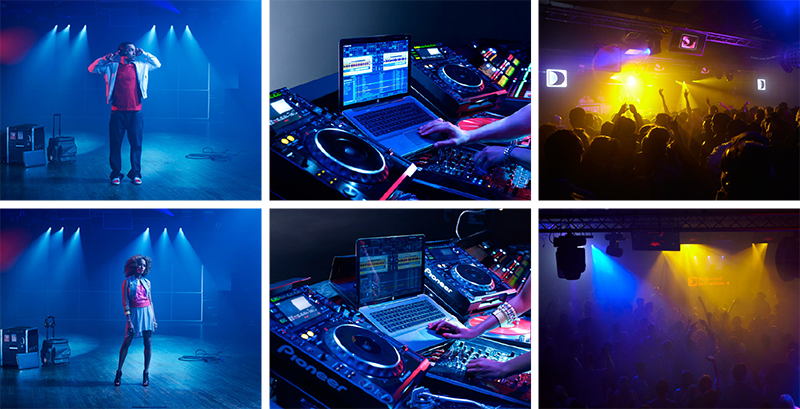
We launched the first brand campaign in seven years, Let’s Do Amazing, and it broke through on every measurement. The creative architecture was the unlock. Twelve agencies had pitched the work; eleven of them landed in the conventional spot — single coherent claim about the company, repeated until it lands. The exception was 72andSunny, then a young agency we selected on the strength of an instinct that the conventional playbook was wrong for HP’s specific problem. The late-night debate sessions with their team produced the move that broke the case open: structure the media buy into packages, each showcasing a completely different part of the business — enterprise infrastructure in one, consumer printing in another, a Labs experiment in a third, the joint venture with Dr Dre to create Beats Audio in a fourth — tied together by a common creative treatment. The viewer’s own surprise did the unification work. The campaign moved audiences from I didn’t know HP did that to I didn’t know HP does all of that. Millward Brown’s analysis showed twelve months of brand impact achieved in thirty days of media spend. The episodic strategy was the reason. The work that came out of those debates is also what earned 72andSunny their place on the global stage.
Underneath the campaign, the brand architecture made the strategic claim operational. One identity system across the whole business. One brand narrative that each unit could ladder its own story up to. One global creative review function that held the line on coherence without flattening the legitimate differentiation between business units. The system wasn’t designed to make HP feel monolithic; it was designed to make HP feel like one company doing many things rather than many companies wearing similar logos.
Across four years, I went through three CEOs.
Mark Hurd was fired in 2010 after an inappropriate relationship with a contractor became public. Leo Apotheker followed for nine months — long enough to commission a major strategy launch in January 2011, short enough that I watched him get fired four months after we landed it. Meg Whitman arrived in the fall of 2011 to begin the work of stabilizing the company through what would become a multi-year restructuring. Each of these transitions came with a different vision of what HP should be, a different operational priority set, and a different appetite for the brand work that had been commissioned by the predecessor. The brand strategy survived all three because it had been calibrated to the institution rather than to any individual executive’s vision of the institution.
That distinction is the harder part of the credential. Brand work survives the CEO who commissioned it about as often as a presidential administration’s policies survive the next election. The discipline of building brand work that holds through executive transitions is a different craft than the discipline of building brand work that lands within a single administration. The system has to be architected for institutional permanence — defensible to the next CEO on its own terms, useful to them on their own terms, not legible as the previous regime’s project. The HP work held through three CEOs because it was designed to.
The measured outcome was significant. Interbrand’s Best Global Brands ranking moved HP into the Top 10 for the first time, with $3 billion in brand value added within eighteen months of the launch of the new system. The recognition was sufficient that I was invited to ring the opening bell at the New York Stock Exchange in celebration of the company’s ascension into the top tier of global brands. The bell ringing was a moment. The work that earned it was the discipline of holding a coherent argument about what HP stood for through four years of institutional volatility.
What this work proved, more than anything specific to HP, is that at a certain scale, corporate brand work stops being about how a company presents itself in the market and becomes about what the category itself believes about its own purpose. HP wasn’t just unifying its own brand. It was making an argument about what the technology industry should stand for at a moment when that question was still open — when the industry’s claim to be the unambiguous engine of human progress was beginning to fray and the next decade’s harder questions about technology’s role in human life were beginning to surface. Companies at HP’s scale don’t just operate inside their category. They shape what the category believes about itself.
That’s the work that brand strategy can do when the company is large enough to set the terms of the conversation. The bell at the NYSE was the recognition. The recommitment to Human Progress as the operating premise of the world’s largest technology company was the argument the work was actually making.
Let’s Do Amazing: HP + Dr Dre. Did you know that HP cocreated Beats By Dre? Even I didn’t when I first walked in the door. Talk about a story worth telling.
Let’s Do Amazing: HP + UPS. We had to account for the enterprise innovation work as well as the consumer work, and we loved this story of what we’d built with UPS.
Let’s Do Amazing: HP Labs. We’d be remiss to have any conversation about the innovations from HP without shining a light on some of the innovations coming out of our very own HP Labs. Thanks, Sridhar Solur, for being a star ;)
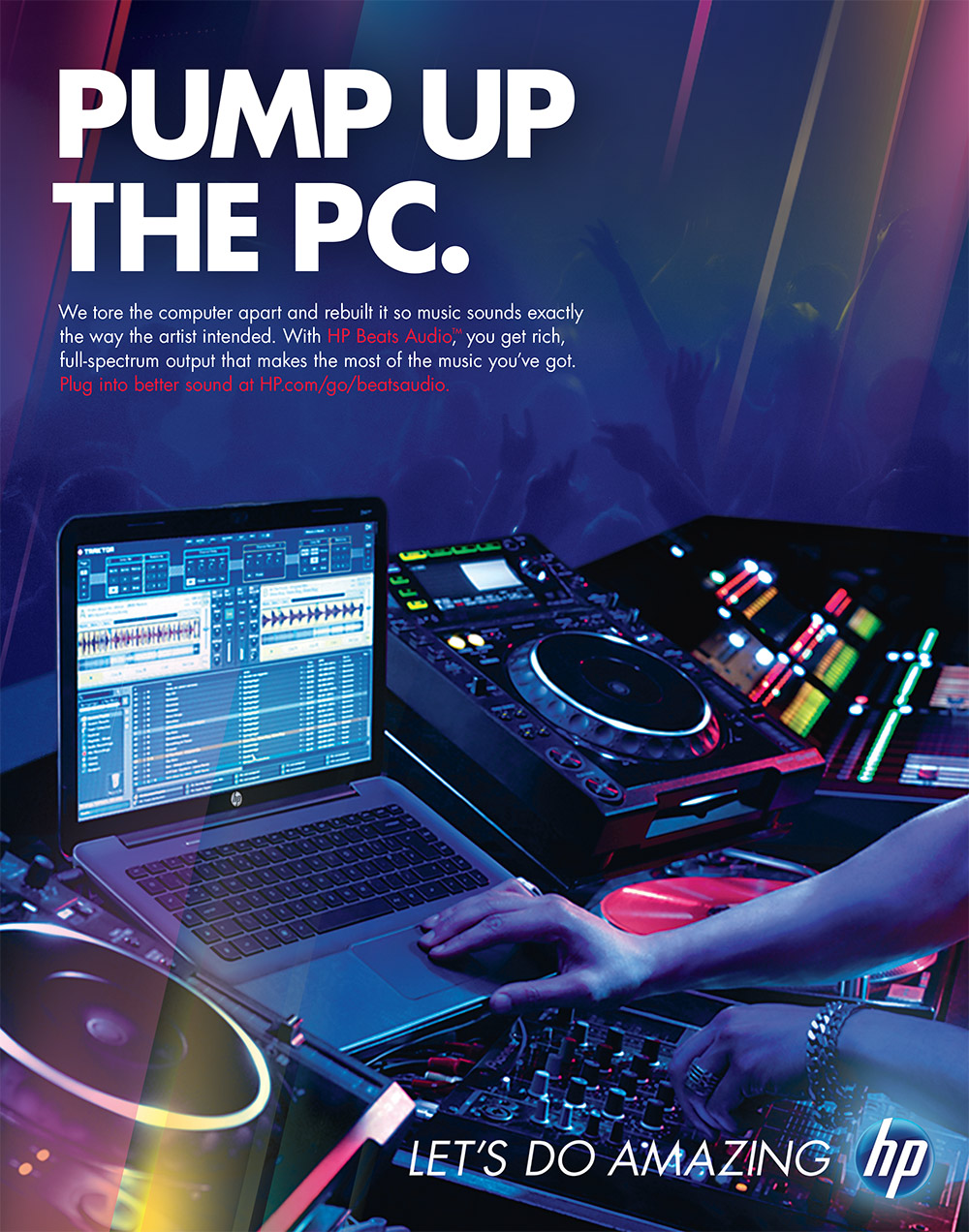
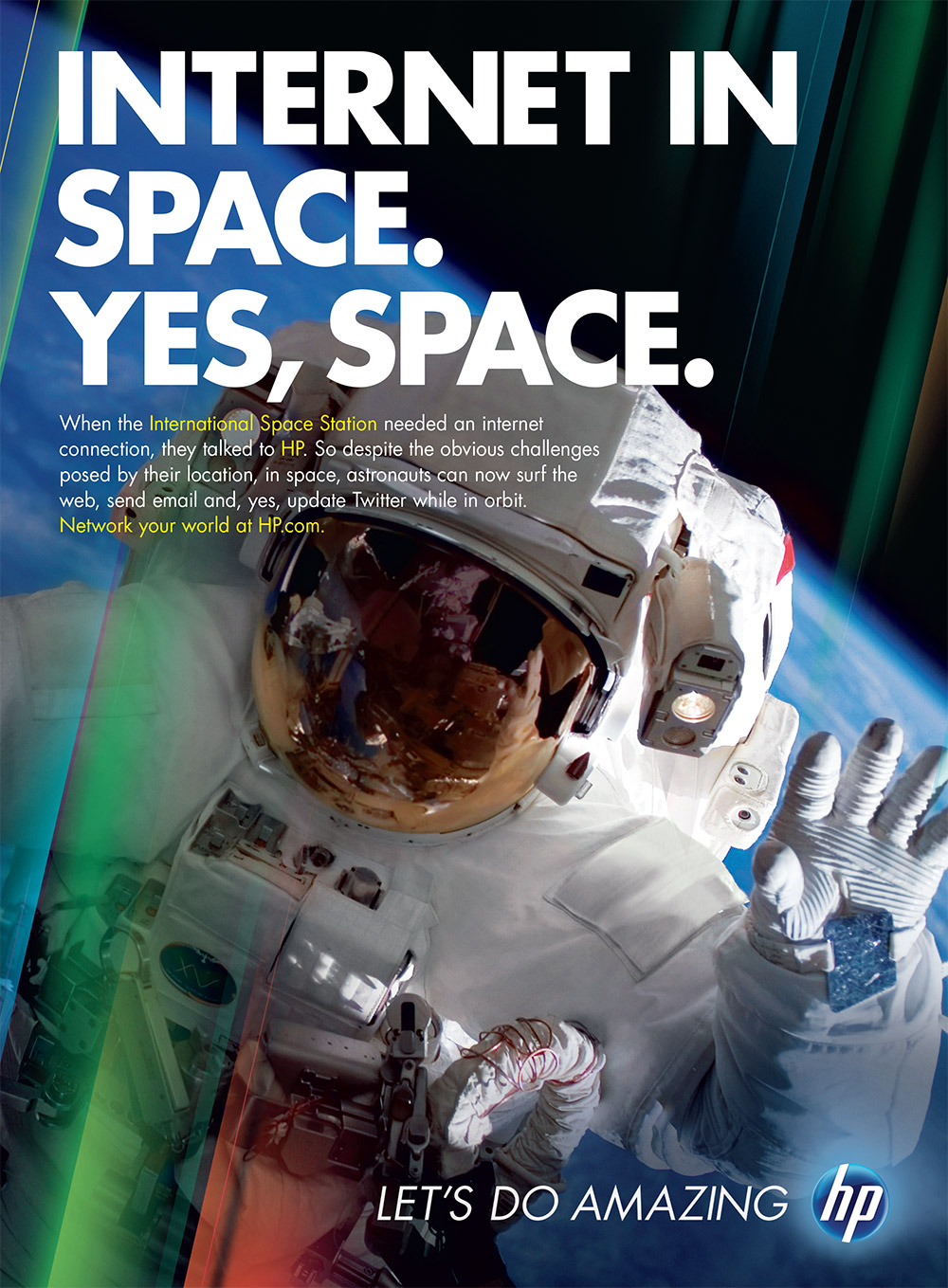
Let’s Do Amazing print ad featuring the HP Envy Beats Edition, and another focused on our work networking the International Space Station. No, really: HP was the only company to network air, land, sea and space. Did you know?
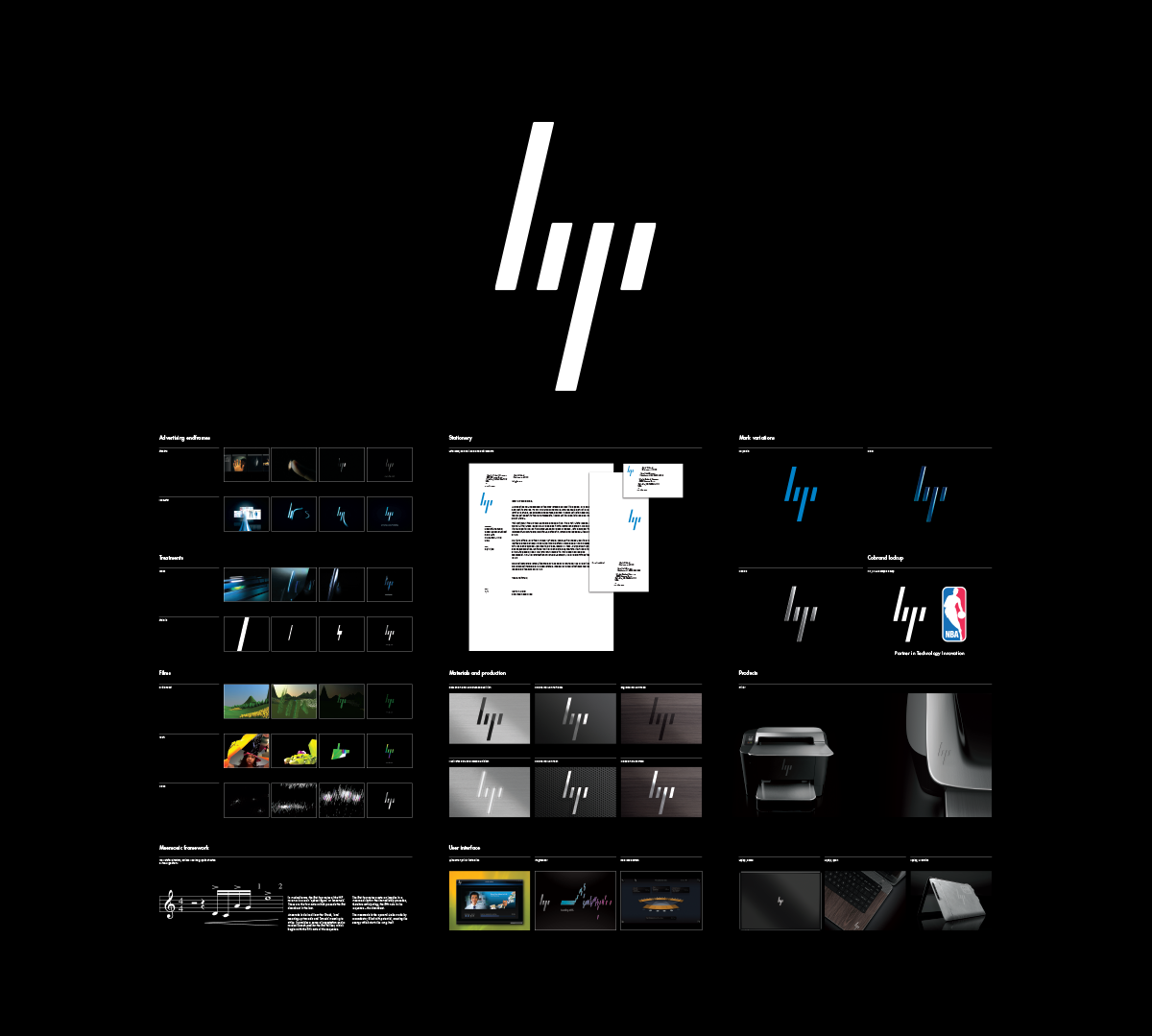
The heart of the new brand was the Progress Mark, built to adapt to context and the stories being told. Building an iconic mark with the ability to shift form, shape and substance allowed us to not just be adjacent to the story, but to be integral to the very story being told.
The Progress Mark’s reveal film. The film encapsulated the core strategy, but then went further to show the number of ways the brand to spring to life, in print and in pixels.
When the Global Identity & Design System was completed, we built "True North" as an inspiration film to be used by all of our designers, agencies and partners. This brings the principles to life by itself, but showcases the broad range of expressions for a truly dynamic brand.
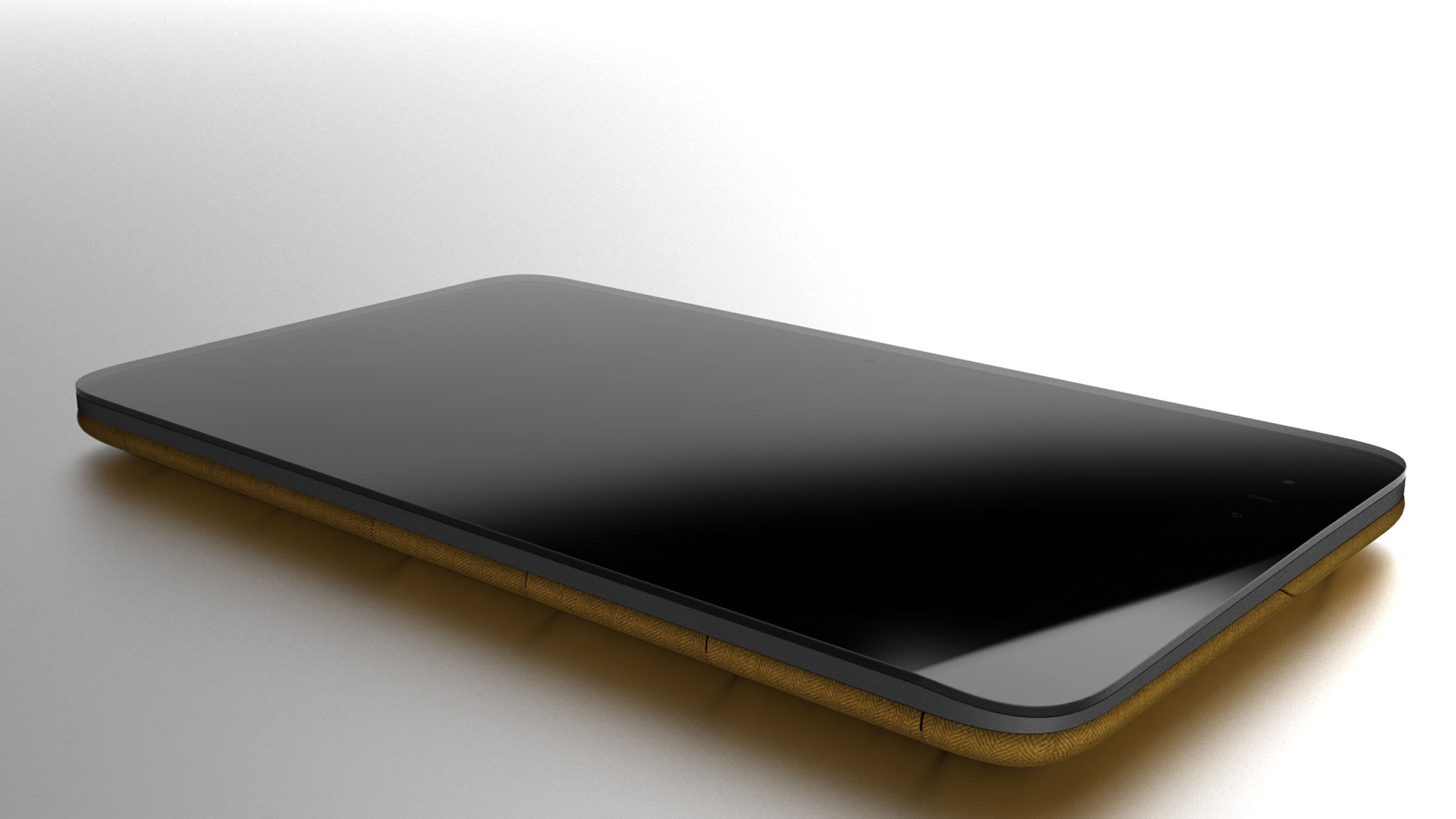
The design system intended to reinforce HP’s leadership position in color: vibrant, confident and expressive. Built around a bespoke series of gradients set at a 13° angle to match the Progress Mark, the entire system was thoughtfully crafted out of light.
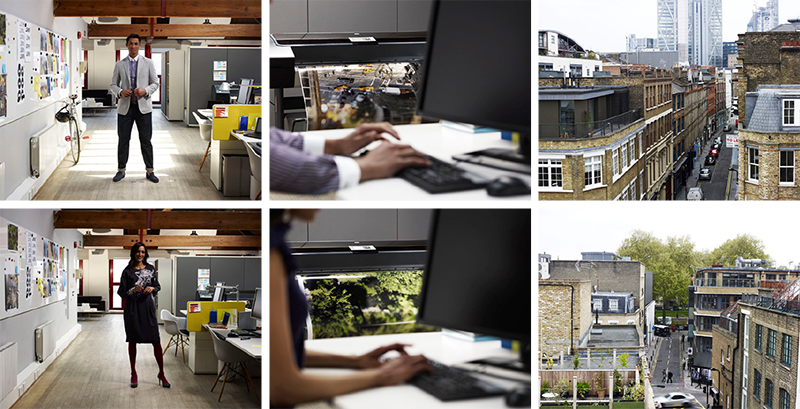
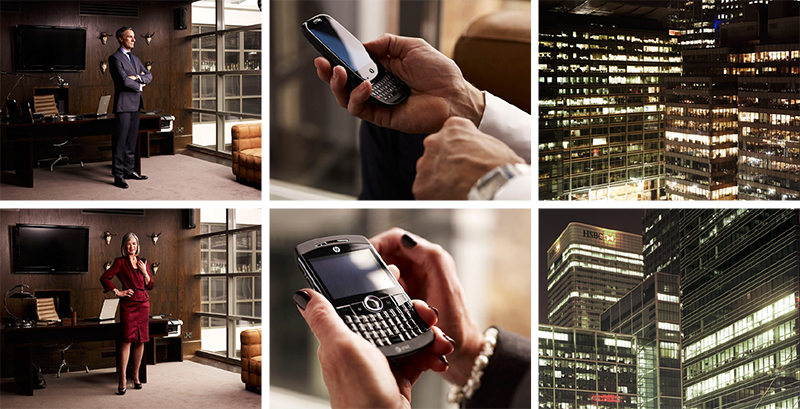
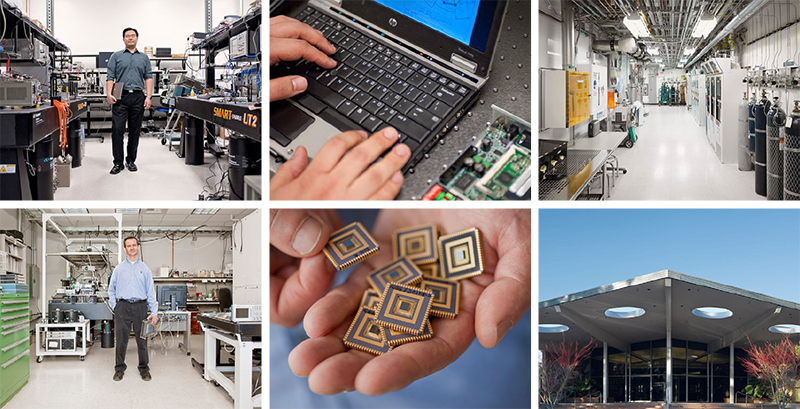
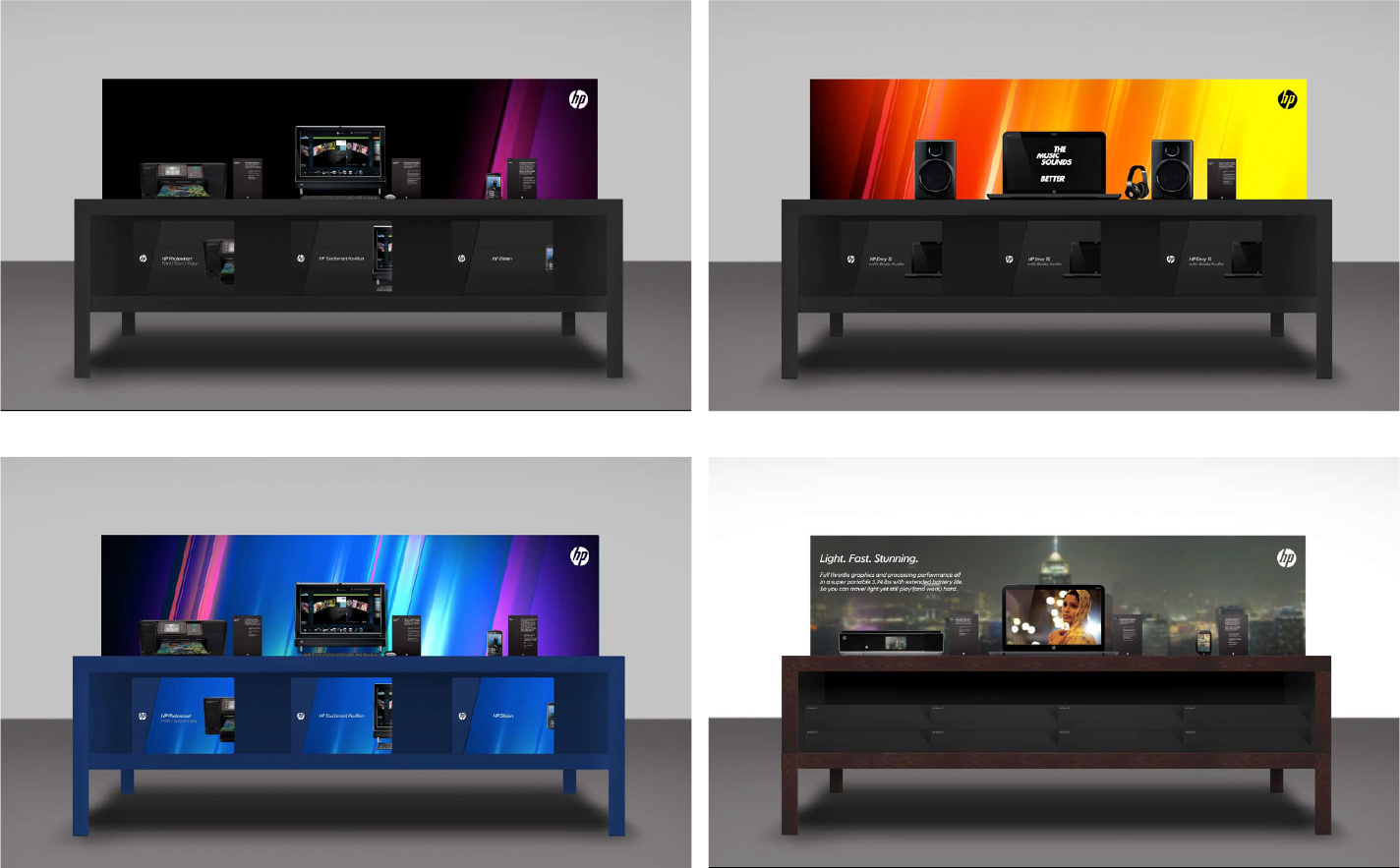
Everything we built needed to flex from consumers, to C-Suite, and everyone in between without feeling disconnected or fragmented. Ironically, our consumer-focused creative became the dominant driver of engagement at our Executive Briefing Centers, showing the power to pull the C-Suite through consumer-facing experiences.
One of the last pieces we created before Mark Hurd’s departure was a celebratory film for the entire culture of HP, from the early beginnings and all of the unexpected innovations to the current mindset of the people across the business. In their voices, their words and their commitment to the future of the entire business came to life in a way that we can all feel.
The hero film for Léo Apotheker’s “coming out party” in January 2011, showcasing all of the ways that HP could find itself wildly differentiated by leveraging WebOS across the full portfolio. Built with the help of Native out of London, every one of these product concepts was invented in a three week pre-production window.
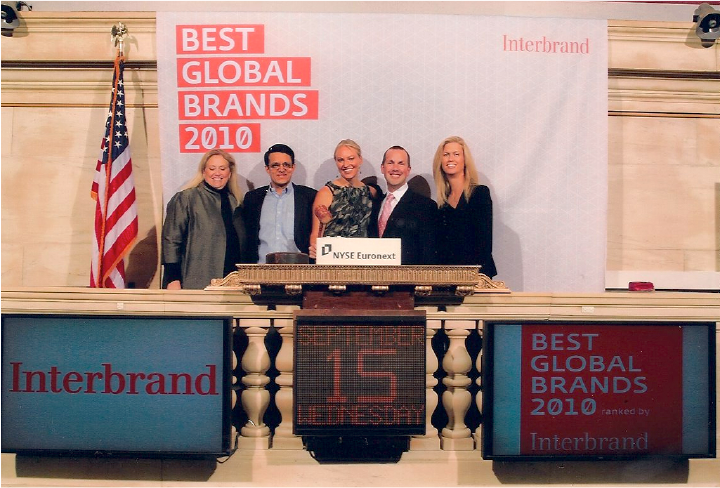
Ringing the bell at the NYSE, as part of Interbrand’s celebration for the Top 10 Best Global Brands. It was the only year that HP ever got into the Top 10, with an increase of just over $3B in brand value in our first year of the program.
